A pilot order of private label heated footwear tells you whether shoppers want the product. The follow-up order is where the real margin is won or lost, and it is decided by records most buyers never pull apart: store-level sell-through, return reasons, warranty tickets, insert response and packaging condition on arrival. If your first run covers a small box or club channel with an agreed shelf box plus a printed product insert, this guide walks through the exact data set to collect, how to read it, and how to turn it into a second purchase order with your wholesale rechargeable heated footwear supplier.
Why the Second Order Is Harder Than the First
The first order is usually small, single SKU, and supported by promotional attention. The second order has to stand on evidence: which sizes sold, which colours were marked down, why items came back, and whether the insert drove repeat traffic. Heated footwear adds variables that ordinary slippers do not, because battery packs, heat settings and care instructions all generate questions after purchase.
A retailer running a box and insert agreement also carries packaging obligations that affect returns. A shelf-ready carton with your own artwork is the first thing the consumer touches; if it arrives crushed or the insert is missing, the perceived quality of the product drops before the item is even tried on.
The Record Set to Pull Before You Commit
Collect these nine data sets from your own systems and from the receiving DC. Most are available in a first twelve-week window, which is enough to cover one cold-weather replenishment cycle.
| Record | What it answers | How it changes the second order |
|---|
| Sell-through by store cluster and size run | Where demand is real, and which sizes are over- or under-weighted | Rebalance the size curve instead of repeating a flat assortment; drop weak clusters from the second pilot wave |
| Weekly inventory cover and stockout days | Whether lost sales came from demand or from empty shelves | Sets the safety stock you need in the second buy, and when it must land |
| Return reason codes, grouped | Fit, warmth expectation, battery or charging complaint, damaged carton, missing insert | Tells you whether the fix is a size curve change, clearer claims on the box, an accessory pack, or packaging reinforcement |
| Warranty and after-sales tickets | Which failure mode appears, and at what week of use | Drives quality checks and spare-part or accessory planning for the second order |
| Packaging condition reports from DC and stores | Crushing, corner damage, print scuffing, insert separation | Decides whether to change inner-pack count, add a corrugated liner, or fix the insert glue tuck |
| insert response (QR scans, coupon redemptions, landing page sessions) | Whether the printed insert produced measurable repeat traffic | Determines whether the insert stays in the box agreement and what it should promote next |
| Promotional calendar and price ladder history | Which weeks needed markdown support to move units | Sets a cleaner full-price window for the second order and prevents buying into a discount period |
| Cross-sell basket data | Whether heated footwear pulls related items into the same transaction | Justifies a coordinated accessory listing or bundle in the second planogram |
| Unit economics per SKU | Landed cost, freight share, return handling cost, net margin | Confirms which SKUs deserve a deeper second order and which should be cut |
Reading Return Reasons as an Assortment Signal
Return codes are the fastest route to a better second order, but only if they are grouped rather than read one by one. Sort them into four buckets and treat each bucket differently.
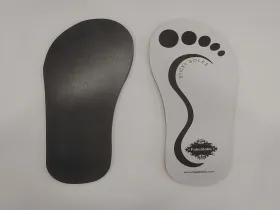
- Fit and comfort. A concentration of fit returns usually means the size curve is wrong for your shopper base, not that the product failed. Our trimmable heated insoles cover a broad EU size range, while the boot styles are offered in narrower ranges that differ from one model to another, so a mixed return pattern is often solved by changing which style carries each size block rather than by re-cutting every style.
- Expectation versus experience. Complaints about warmth usually trace back to what the box and insert promised. If the shelf copy implies all-day heat, shoppers will judge the product against that claim rather than against its stated settings.
- Electrical and battery issues. Charging faults, cable damage and controller questions belong with your supplier's quality team, and they are the reason a second order should include an agreed after-sales handling path before production starts.
- Packaging failures. A crushed shelf box or a detached insert is a manufacturing and packing question, not a consumer question, and it is usually the cheapest of the four buckets to fix.
Practical test: if more than one return in twenty cites packaging or a missing insert, treat the box agreement as a production specification and not a marketing detail. Confirm inner-pack dimensions, carton ply and insert placement with your supplier before releasing the second purchase order.
What to Verify With Your Private Label Supplier Before the Second Order
A second order is the right moment to move from "same product, more units" to a documented private label programme. As a custom EVA foam manufacturing partner working with overseas retailers and cross-border sellers, Fulikai recommends buyers confirm the following points in writing before the follow-up purchase order is signed.
1. Which elements are actually yours
Confirm the artwork ownership and print method for the shelf box, the insert card, any hang tag, and the inner pack. Heat-transfer printing on foam components behaves differently from litho printing on a carton, so ask for physical printed samples rather than a digital proof if your packaging carries brand colour blocks.
2. Claims you may print
Heat settings, run time and water resistance are regulated language in most markets. The heated slipper style in our catalogue offers three adjustable temperature levels with a full-sole heating element and machine-washable construction; the heated insole style offers four selectable levels and a rechargeable battery pack. Print only the temperatures, run times and capacities that appear on the signed specification sheet for the exact item you ordered, and have the supplier confirm the wording for your destination market.
Note: catalogue pages do not always use identical product names and figures across sections of the same page, so take your box copy from a signed specification sheet for the specific item number rather than from a listing screenshot.
3. Quality gates for electrical goods
Ask what is tested during production and what happens before shipment. Fulikai's Shenzhen factory runs 16 types of tests through production, followed by full manual inspection before shipment, and third-party inspection is supported. For battery-powered styles, add an agreed sample check for charge cycles, controller function and accessory completeness to that inspection plan.
4. Payment and lead time structure
The standard terms are a 30 percent deposit on signing the contract, with plate-making taking five to seven days and bulk orders deliverable within fifteen days for many EVA items. That timeline only works if your second order is released early enough to clear ocean transit before your selling window opens, so work backwards from your first shelf date rather than forwards from the sales meeting, and confirm the lead time quoted for battery-powered styles in writing.
Turning the Records Into a Purchase Plan
With the record set assembled, build the second order in four steps and keep each step auditable.
- Rebuild the size curve from returns and sell-through. Weight sizes by units sold per store cluster and subtract fit-driven returns. This single change removes most of the markdown you would otherwise carry at season end.
- Set stock cover against stockout days, not against averages. If a top cluster ran empty for two weeks in January, the second order must land before that window, with cover sized to the observed peak week.
- Fix one packaging defect per order cycle. Choose the highest-cost packaging complaint from the pilot and change one variable at a time: ply, inner-pack count, or insert attachment. Changing several at once makes the next review unreadable.
- Decide the insert's job for round two. If insert response was measurable, the second order should carry an insert that promotes the accessory most often bought alongside the footwear — washable rechargeable heated insoles are a natural repeat purchase for customers who already own heated boots.
A worked reading of the pilot data
Suppose sell-through is strongest in clusters with cold-weather outdoor shoppers, returns concentrate on fit rather than function, and packaging damage appears only in one DC lane. That pattern supports a deeper second order weighted to boots over slippers, a corrected size curve, and a carton change for that lane only — while leaving the product itself unchanged. The opposite pattern, with warmth complaints spread evenly across clusters, points at box copy and expectation setting rather than at buying more units.
Common Planning Mistakes to Avoid
- Ordering on total pilot volume alone. A single strong store cluster can mask weak performance everywhere else, and the second order then repeats the error at scale.
- Treating all returns as one number. Fit returns and electrical returns call for opposite actions; averaging them hides both problems.
- Repeating claims from the pilot box without checking them against the delivered model. Where a product listing shows different names or figures in different sections, the specification sheet governs.
- Ignoring compliance paperwork. Fulikai's factory is certified to ISO 9001:2015 and holds CE, EN-71, FDA, FCC, RoHS, SGS and REACH documentation. Confirm which certificate or test report applies to your specific item and destination market before you print anything on the box.
- Releasing the order too late for the season. A fifteen-day bulk lead time still has to survive port transit and DC intake before a winter shelf date.
Ready to Plan the Follow-Up Buy?
Send us your pilot sell-through summary, return reason breakdown and packaging condition notes, and we will help you shape a second order with the right size curve, inspection plan and box specification. As a Shenzhen EVA foam products manufacturer supplying private label programmes to retailers in Japan, South Korea, Europe and the United States, we support custom shapes, printed packaging components and third-party inspection on every order.
Talk to our export team about your second-order plan for heated footwear packs, shelf box artwork and product inserts.
Sales hotline: +86 13827489472 | Email: [email protected] | Contact Fulikai
Explore the full heated footwear range in our Non-slip and Heated Footwear category, or review wholesale EVA foam products that can be added to the same consolidated shipment.