Buyers who combine several custom EVA foam manufacturing lines into one container usually find the problem after arrival: two orders that matched on a proof now read differently side by side. The usual cause is not a bad colour batch. It is a missing record. Colour reference retention — keeping the approved sample and its matching data available through production, packing and forwarding — is what lets a consolidated shipment be checked against something real instead of against memory.
Here is what an EVA foam products manufacturer should hand over before you consolidate, and how to use those records when several SKUs share one booking.
Why colour shifts more easily in EVA foam than in printed goods
Colour in our EVA sheet is not painted on afterwards. It is formed during foaming, when colour masterbatch is added and the batch expands into one uniform material. That single-step process gives clean, consistent tone across a large panel, but it also means the colour belongs to the batch. A later batch can differ slightly even from the same formula, because foaming conditions, sheet thickness and the density you specify all change how light falls on the surface.
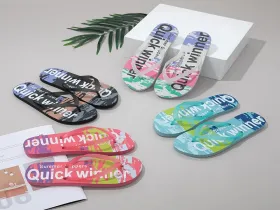
Printed decoration adds a second variable. Our self-developed heat-transfer printing is designed so no underlying base colour shows through, and multi-pass white-base printing lifts saturation further. Where an area is printed rather than solid, two approved references can be equally correct and still read differently under warehouse lighting. A retained reference settles that question quickly; a photograph on a phone does not.
What the supplier should retain and share
Before you merge shipments, ask your EVA foam color matching contact for the items below. We keep each of them on file against the order number.
- The signed physical reference. The pre-production sample you approved, kept in the condition it was approved in, carrying your sign-off and date. This is the item that settles a question at destination.
- The formula record. Which masterbatch went into which batch, so a repeat order can be traced back to a known result instead of being re-matched from scratch.
- The print specification. For printed SKUs: the artwork version, whether screen printing or heat-transfer was used, and whether a white-base pass was applied. We record this alongside the plate.
- Batch-to-batch comparison notes. What was compared between the reference and the running production sheets, and what was accepted.
- Test records that touch colour. Colour fastness is one of the 16 types of tests our products pass through during production, alongside tensile strength and ink environmental testing. Those reports support the claim that the shade holds in use, not only on arrival.
How retained references make a consolidated shipment easier to clear
When you consolidate, one inspection covers several SKUs at once. That is efficient, and it is also where confusion begins: an inspector checking three product families against three separate expectations will return inconsistent verdicts. A reference pack removes that.
Ask the supplier to label each retained reference with order number, SKU and lot, and to note which SKUs in the consolidated shipment share a colour family. Our own practice covers full manual inspection before shipment, with defective items rejected, and we support 100% third-party inspection and buyer audits at the Shenzhen factory. If your third party is inspecting several lines in one visit, tell them which reference belongs to which carton group before anything is opened. The retained sample then becomes the acceptance criterion for every line in the booking.
A practical sequence before you book
- Freeze the reference first. Sign and date one physical sample per SKU, and confirm the supplier has logged it against the order. Do this before plate-making is treated as final.
- Confirm material for the destination market. Tell the factory which country the goods are entering; we recommend raw materials that meet the corresponding national standards, and colour additives form part of that conversation.
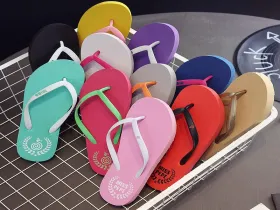
- Group SKUs by colour family, not by category. Solid-colour slippers, printed cheering hands and two-tone mats behave differently. Group them so one reference covers a consistent set.
- Set the tolerance in writing. State what is acceptable: an exact match to the retained sample, or a defined range around it. Then inspect against that statement rather than against opinion.
- Keep one reference out of the container. Send a duplicate to your own team at destination. Comparing arrived goods against a locally held reference removes the argument about what left the factory.
Timing that affects colour decisions
Colour sign-off sits inside the production window, so plan for it there. Plate-making takes 5–7 days and bulk orders can be delivered within 15 days; for urgent orders our in-house factory reallocates resources to protect the ship date. That leaves a narrow space for colour comments, which is why the reference should be approved early rather than adjusted late. Sample plates cost only a few hundred dollars, which is less than re-matching a batch after it has been foamed.
Storage matters as much as approval. EVA can age, deform or discolour if it is left in direct sunlight or high heat, so a reference that has sat on a windowsill for six months is no longer a usable reference. Keep samples flat, out of light and away from heat — at the factory and at your end.
Questions to put to any supplier before consolidation
- Where is the approved physical sample kept, and can you send me a duplicate to hold at destination?
- Can you link each production batch to the masterbatch record behind it?
- For printed SKUs, which print method and which base pass were used on this order?
- Which of the 16 in-production tests cover colour fastness for this SKU, and may I see that report?
- If I repeat this order in six months, will it be matched to the retained sample or re-matched from the formula alone?
A supplier who answers those five questions with documents rather than reassurance is a supplier you can consolidate with confidence. For an overview of how our colour and print process is recorded on each order, see our heat transfer printing on EVA foam capability page, or send your requirements through our contact page.
Shenzhen Fulikai Packaging Products Co., Ltd. — EVA foam products supplier, exporting to Japan, South Korea, Europe and the United States · +86 13827489472 · sales@fulikaisz.com.cn